
Planning vs Ceremony vs Protocol: Which Do You Need?
The terms get mixed up, but each service covers a different stage and responsibility. Here is a clear comparison to help you choose.
Anyone organising a wedding or corporate event in Maputo soon meets three Portuguese terms: assessoria, cerimonial and protocolo. In English they roughly map to event planning, ceremony (on-the-day) coordination and protocol. They are often used interchangeably, but they describe different services with different timings and responsibilities. Knowing the difference helps you hire what you actually need.
Event planning (assessoria): before the day
Planning covers the event from first idea to the day before.
What it usually includes
- Defining concept, style and budget
- Researching, comparing and booking suppliers
- Help choosing and visiting venues
- Managing the task and payment timeline
- Negotiating and reviewing proposals
- Designing the layout and the run of show
When to hire it
- You are short on time or live outside Maputo
- You do not know local suppliers
- The event is large or has many moving parts
- You want someone to make decisions with you, not just execute
For weddings, planning can be full service (from the start) or partial (picking up once some suppliers are already booked).
Ceremony coordination (cerimonial): on the day
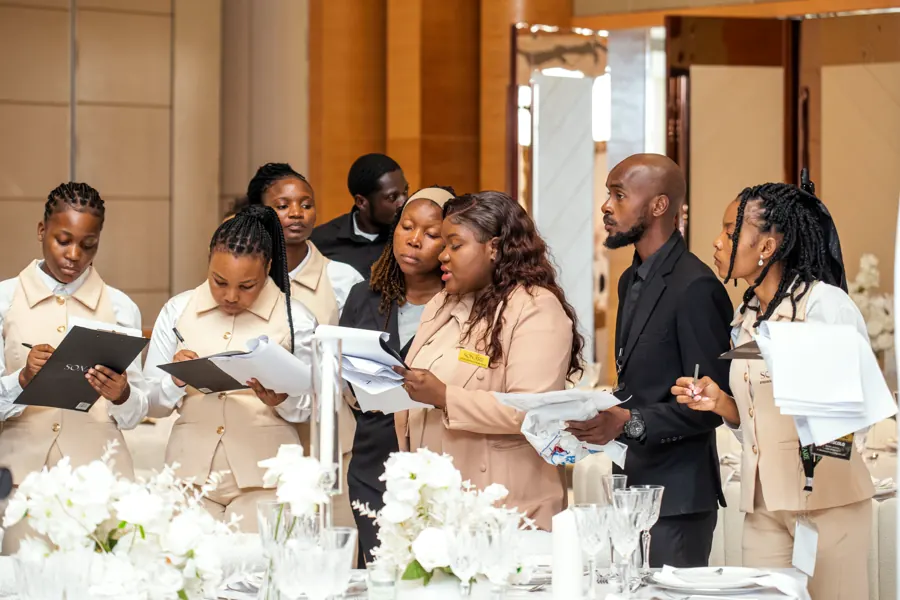
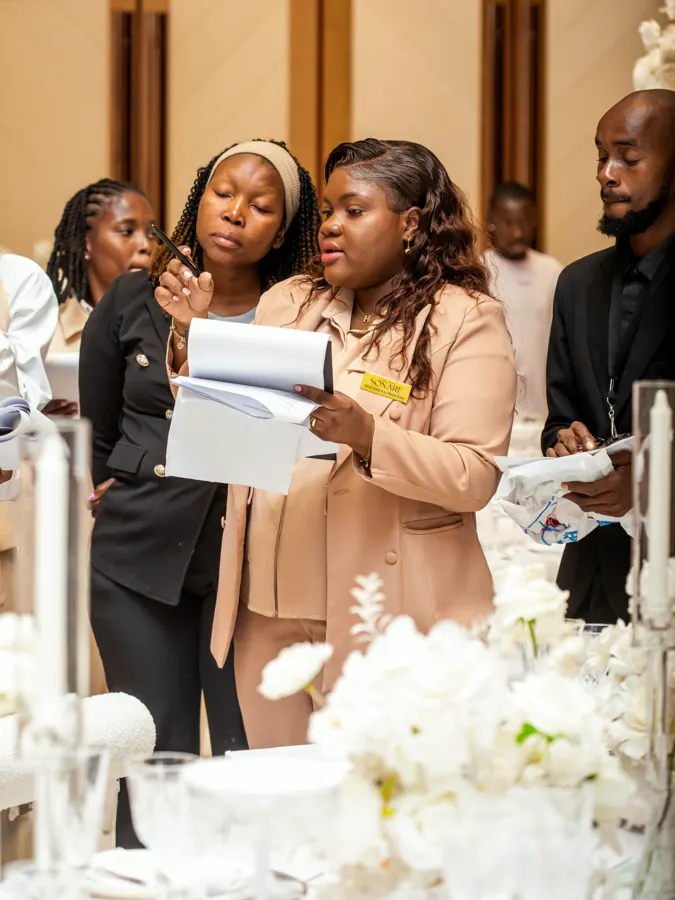
Ceremony coordination is about running the event on the day, making sure what was planned happens on time and in order.
What it usually includes
- A prior meeting to learn the run of show and suppliers
- A site walk-through
- Receiving and directing suppliers during set-up
- Cueing key moments: entrances, ceremony, speeches, toasts, first dance, cake
- Managing timings and surprises
- A single point of contact for suppliers and family
When to hire it
- At almost every wedding and any event with several suppliers
- When you planned everything yourself but want to enjoy the day
- When the event has tightly sequenced moments
Even DIY planners benefit: on the day, the couple or host should not be managing the caterer.
Protocol (protocolo): the rules of precedence
Protocol covers the formal rules of how people and institutions are received and ranked. It is essential whenever hierarchy matters.
What it usually includes
- Order of precedence for greeting, seating and speeches
- Correct use of titles and positions
- Hierarchical seating plans
- Receiving and escorting officials and guests of honour
- Flags and symbols where applicable
- Guidance on formal invitations and dress code
When to hire it
- Corporate events with board members, institutional partners or media
- Events attended by government officials or diplomats
- Weddings or celebrations with high-profile guests
- Official ceremonies, openings and signing events
Quick comparison
- Planning: focuses on preparation; works weeks or months ahead; answers "what, and with whom?"
- Ceremony coordination: focuses on execution; works on the day and just before; answers "when, and in what order?"
- Protocol: focuses on formal rules; works in planning and on the day; answers "who goes where, and how are they addressed?"
A simple way to think about it: planning designs the event, ceremony coordination runs it, and protocol makes sure the right people get the right treatment.
Which combination makes sense
- Wedding with time and suppliers already chosen: ceremony coordination.
- Wedding with little time or many suppliers still to book: full planning plus coordination.
- Birthday or family party: partial planning or coordination, depending on size.
- Internal corporate event: planning and coordination.
- Gala, conference or event with officials: planning, coordination and protocol.
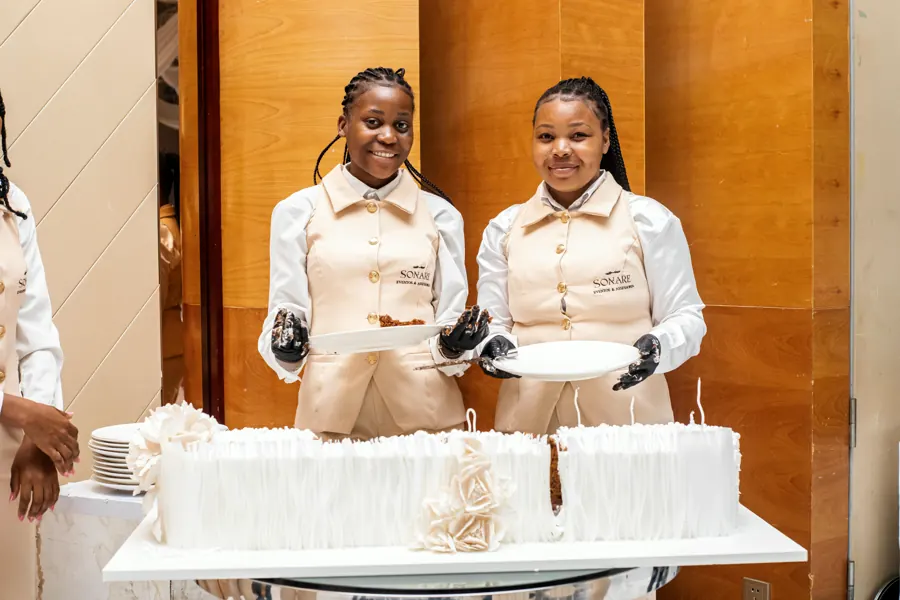
Bar and cocktail management and waiting staff complement any of these and should be aligned with whoever runs the day.
Checklist to decide
- Do I already have a venue and key suppliers?
- Do I have time to manage suppliers and deadlines?
- Does the event have many tightly timed moments?
- Will officials or guests with formal titles attend?
- Do I want to be free on the day to enjoy it or host?
If you answered "no" to the first two, consider planning. "Yes" to the third or fifth means you need coordination. "Yes" to the fourth means adding protocol.
All three in one team
Sonare Eventos & Assessoria offers event planning, ceremony coordination and protocol, plus bar management and waiting staff, so you can choose exactly what you need. See our services or request a quote.

Want help with your event?
Tell us the type of event and the date. We will reply on the number you give us.